Air Duct Inspection · Southlake & Northeast Tarrant
Air Duct Inspection
A hands-on check of your duct system and HVAC ductwork for leaks, buildup, and damage, so you know exactly what's going on before any work starts.
- NADCA-Trained Techs
- Open 7 Days
- Satisfaction Guaranteed
Look Before You Clean
What an Inspection Actually Tells You
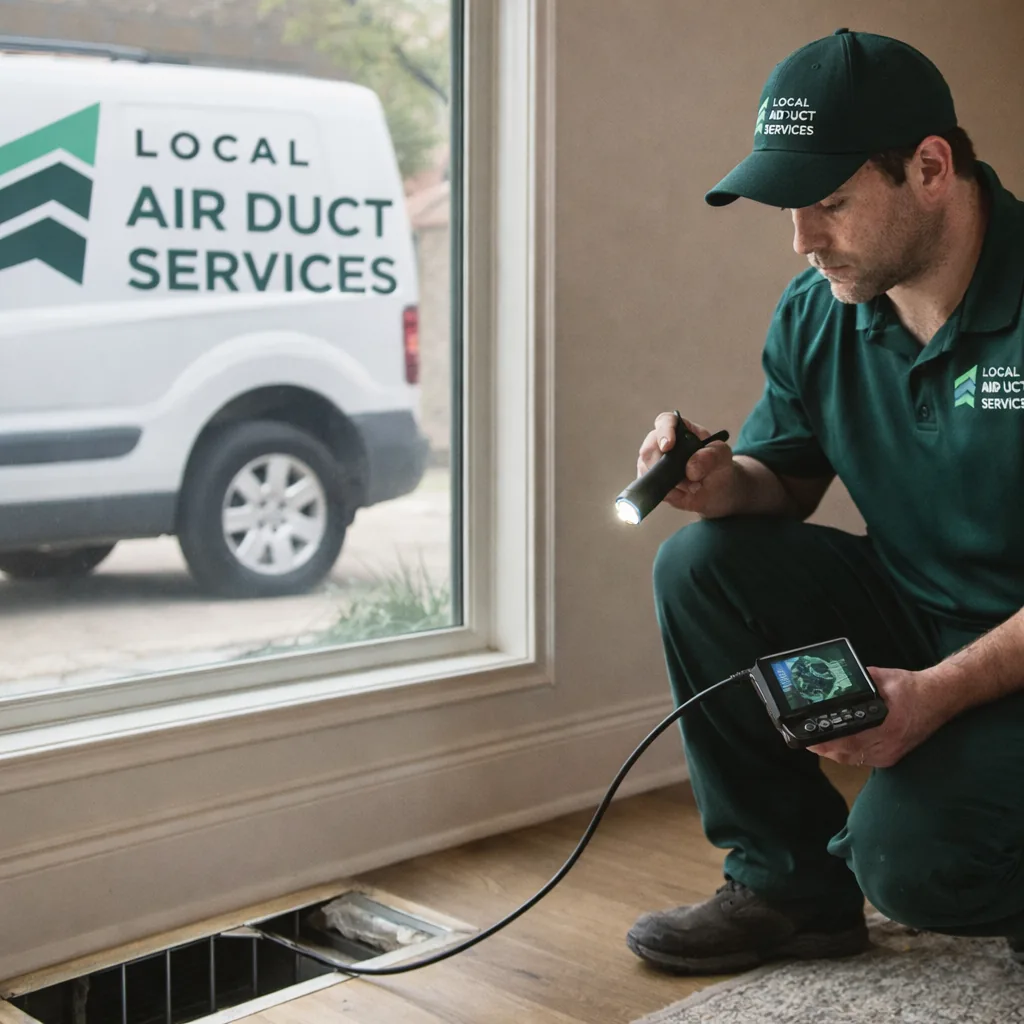
An inspection is different from a cleaning. Instead of pulling debris out of the line, a technician opens the system up, register by register, and looks at what is actually happening inside: how much dust and buildup has collected, whether joints and boots are sealed, and whether any section of duct has come loose, been crushed, or started to sag.
In this part of North Texas, that last point matters more than homeowners expect. Expansive clay soil across Southlake and the surrounding mid-cities communities shifts with the seasons, swelling when it is wet and pulling back when it dries out. That movement can work its way into a foundation and framing over years, and ductwork run through an attic can settle, separate at a joint, or lose its seal without anyone noticing until the system stops cooling evenly.
Large, newer-build homes are common across Southlake and Westlake, and they tend to have longer, more complex duct runs feeding multiple zones, sometimes with a two-story layout and an upstairs laundry room adding even more distance for air to travel. The farther the run and the more turns it takes, the more places a leak, a gap, or a heavy buildup can hide. An inspection follows that whole path, not just the parts you can reach from a hallway vent.
If we find real buildup during an inspection, the next step is usually residential air duct cleaning to clear it out properly. If mold or a musty odor shows up instead, that points more toward duct sanitizing than a straight cleaning. Either way, an inspection is what tells us which one your system actually needs, instead of guessing.
What We Check
What We Check During an Inspection
Six things get looked at on every visit, from how much has actually collected inside the trunk line to whether air is reaching the far end of the run.
Request a Callback-
Buildup and Debris Levels
We check how much dust, pet hair, and fine debris has collected inside the main trunk lines and branch runs, so you know if a full cleaning is actually needed yet or if it can wait.
-
Duct Seams and Boot Connections
Loose seams, disconnected boots, and gaps at the register connections let conditioned air leak into the attic instead of the room, and we flag every one we find.
-
Crushed or Sagging Sections
Flexible duct can get crushed by items stored in an attic or sag over time, both of which restrict airflow even when the rest of the system looks fine.
-
Insulation Condition
Where duct insulation is torn, compressed, or missing, we note it, since bare metal or thin sections lose conditioned air fast during our summer heat.
-
Airflow at Each Register
We check that air is actually reaching every room at a reasonable volume, which is often the first sign something in the line is blocked or leaking.
-
Overall System Fit
For homes considering a full air duct cleaning service in Southlake, an inspection tells us where to focus first instead of treating every run the same way.
-
10+
Years serving Southlake-area homes
-
100%
Satisfaction guarantee on every visit
-
7 days
Open every day of the week
-
NADCA
Trained inspection and cleaning standards
Start To Finish
How an Inspection Works
Five steps, in the same order every time, so you finish the visit knowing what is in your system and what it actually needs.
-
Walkthrough and History
We start by asking about any comfort issues, allergy symptoms, or rooms that never seem to cool evenly, since that shapes where we look first.
-
Register-by-Register Check
Each supply and return register gets opened and checked for buildup, airflow, and connection quality.
-
Attic and Accessible Duct Review
Where the duct system runs through the attic, we follow as much of the accessible path as we safely can, checking seams, insulation, and support.
-
Photo Documentation
We take photos of anything we find, buildup, gaps, or damage, so you can see exactly what we saw instead of taking our word for it.
-
Straight Recommendation
You get a clear answer: clean it, seal it, replace a section, or leave it alone, with no pressure toward the most expensive option.
Proof, Not Promises
What an Inspection Looks Like
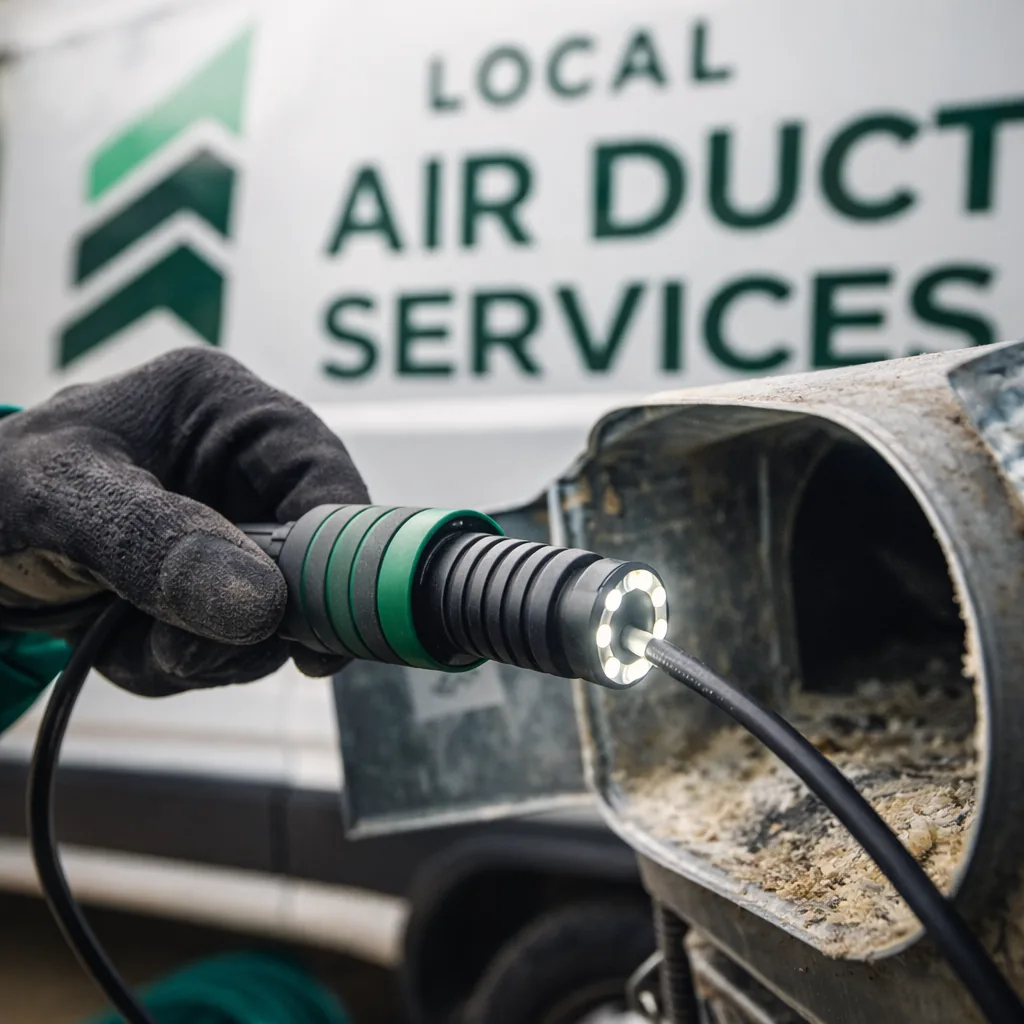
An inspection camera going into a branch line to see what is really in there.
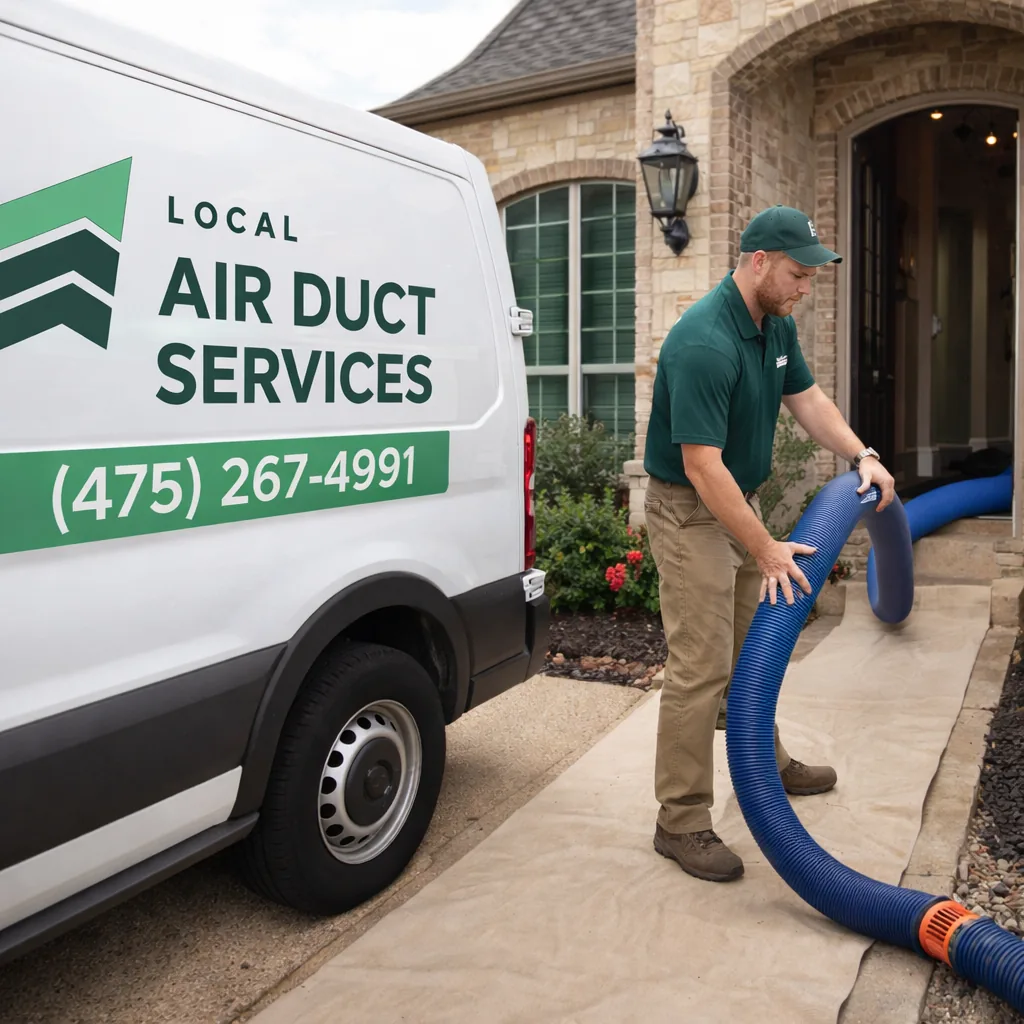
Checking insulation and boot connections along an attic run in a two-story home.
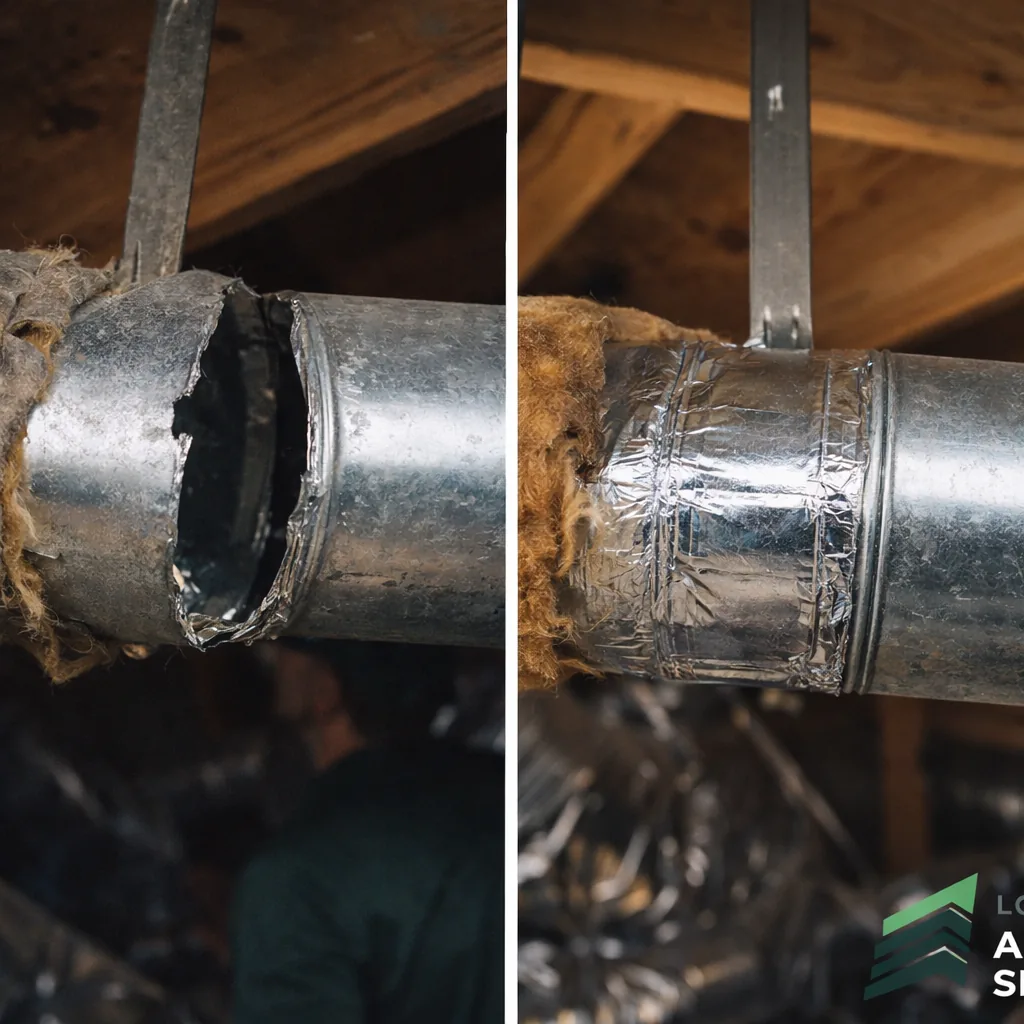
A properly sealed joint beside one that had separated and was leaking air.
Before You Book
Common Questions
What are the signs my air ducts need cleaning?
Visible dust blowing from registers, a musty smell when the system runs, or noticeably weaker airflow in certain rooms are the clearest signs. An inspection confirms whether that is from buildup in the line itself or something else, like a failing filter or a leak.
Can I just clean my own air ducts instead of getting them inspected first?
You can wipe down the registers you can reach, but that does not tell you what is happening inside the trunk line or at the boot connections in the attic, which is where most real problems start. An inspection is what tells you whether a full cleaning is worth scheduling yet.
Is it really necessary to have air ducts inspected?
It is worth doing before assuming a system needs cleaning or repair, since not every duct system is due for either. In homes with longer runs, common in the larger newer-built houses around Southlake and Westlake, an inspection is the fastest way to know what is actually going on without guessing.
How often should HVAC ductwork be inspected?
There is no fixed interval that fits every home, but it is worth checking whenever you notice uneven cooling, rising energy bills without an obvious cause, or after any attic work that could have disturbed the duct runs.
Does duct buildup really affect how well my AC works?
Yes. Buildup that narrows the inside of a duct restricts airflow, which makes the system run longer to hit the same temperature, especially during a North Texas summer when the AC is already working hard for months at a stretch.
Will an inspection tell me if I need duct sealing instead of cleaning?
It should. If the buildup is light but we find open seams or disconnected boots, sealing is usually the better fix, and we will tell you that plainly instead of pushing a cleaning that would not solve the actual problem.
Southlake & Northeast Tarrant
Find Out What Your Duct System Actually Needs
Tell us what you're noticing, weak airflow, dust, odd smells, and we'll walk through what an inspection would check first.
- NADCA-Trained Technicians
- 10+ Years Local
- Open 7 Days a Week
- 100% Satisfaction Guarantee
Serving Southlake
Local Air Duct Services provides fast, same-day garage door repair, installation, and service across Southlake and the surrounding Orange County communities. Licensed, bonded, and insured, with technicians who call ahead.