
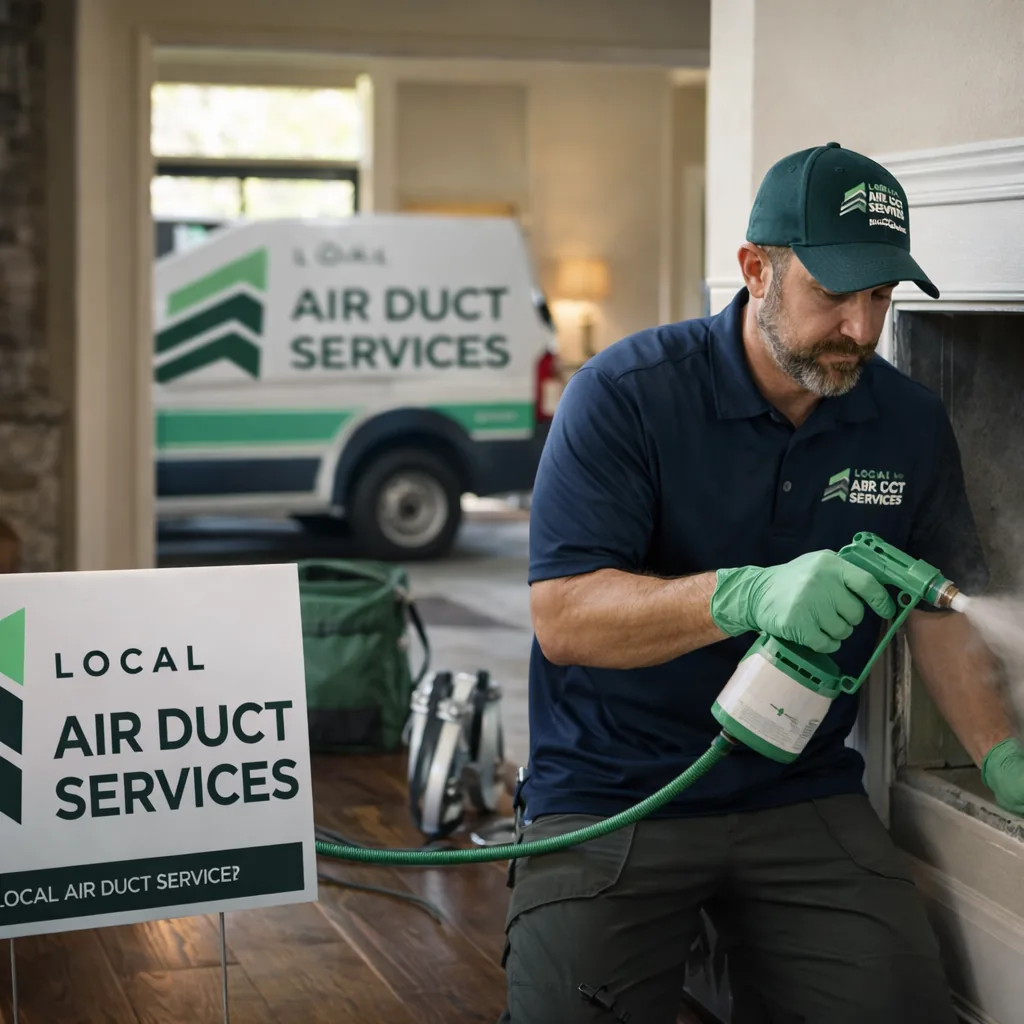
Duct Sanitizing · Southlake, TX
Duct Sanitizing Service
An antimicrobial treatment applied to your air ducts after cleaning, aimed at lingering odors and buildup that dust removal alone does not resolve, applied by NADCA-trained technicians across Southlake and the surrounding mid-cities.
- NADCA-Trained Techs
- 10+ Years Local
- Satisfaction Guarantee
Clean First, Then Treat
Why Sanitizing Comes After Cleaning, Not Instead Of It
Cleaning removes the dust, lint, and debris sitting inside the ductwork. Sanitizing is a separate step: an antimicrobial treatment applied to the interior duct surfaces afterward, aimed at odor and microbial growth that a straightforward removal of dust and debris does not touch. One does not replace the other; sanitizing works because the surfaces are already clean.
North Texas summers push AC systems hard for months at a time, and the condensation that forms around a coil and inside a duct run during that heavy runtime is exactly the kind of damp environment where odors and growth take hold. Homes near humid pockets around this area tend to notice it more, since higher ambient humidity gives that moisture more to work with once it collects inside the system.
Pet odors, cooking smells, and musty smells after a period of high humidity are the most common reasons homeowners ask for this service specifically, separate from a routine cleaning. We treat this as an add-on to a residential air duct cleaning visit rather than a standalone service, since sanitizing an unclean duct just traps odor sources under a treatment instead of removing them.
If the odor is coming specifically from the dryer exhaust line instead of the HVAC ducts, that points to dryer vent cleaning instead, since the two systems are entirely separate and rarely share the same cause. If a home also needs a fresh look at its overall air quality routine, we're glad to walk through what a full service, cleaning and sanitizing together, would involve for the layout.
Sanitizing tends to come up around a few specific moments beyond routine odor complaints: moving into a home where the duct history is unknown, after a minor water event near ductwork has fully dried out, or when a household member has new respiratory sensitivities and wants every reasonable step taken on indoor air quality. In each case, we start with the same first question, whether the ducts are actually clean, before recommending a treatment on top of them, since treating dirty ductwork wastes the treatment and leaves the real source of the odor in place.
Scope Of Work
What the Service Covers
-
Post-Cleaning Application
The antimicrobial treatment goes on after the duct interior has been cleaned, so it reaches surfaces that are already free of the dust and debris that would otherwise trap it.
-
EPA-Registered Products
We use EPA-registered antimicrobial products labeled for use in HVAC ductwork, applied according to the label's instructions for the surface area involved.
-
Odor Source Treatment
The treatment targets the microbial growth and residue that causes lingering odors, rather than masking the smell with a fragrance.
-
Full System Coverage
Supply and return runs are both treated, since odor and growth can develop on either side of the system.
-
Coil and Housing Attention
Where accessible, the evaporator coil area and air handler housing get treated too, since that is where condensation collects most during heavy summer AC use.
-
Photo Documentation
We document the treated sections with before-and-after photos, the same way we do for a standard cleaning.
-
10+
Years cleaning and sanitizing ductwork for Southlake-area homes
-
100%
Satisfaction guarantee on every visit
-
NADCA
Trained cleaning standards
Our Process
How the Sanitizing Service Works
-
Cleaning First
The full duct system is cleaned before any treatment is applied, since sanitizing works on clean surfaces, not dusty ones.
-
Odor and Source Check
We identify where odor or visible growth is concentrated, whether that is a specific run, the coil area, or the air handler housing.
-
Product Application
The EPA-registered antimicrobial treatment is applied to the interior duct surfaces and other affected areas identified in the inspection.
-
Dry Time
The system is left to dry per the product's label instructions before the HVAC system is run again.
-
Final Walkthrough
We confirm the treated areas with you and provide before-and-after photos of the work.
Proof, Not Promises
Sanitizing in the Field
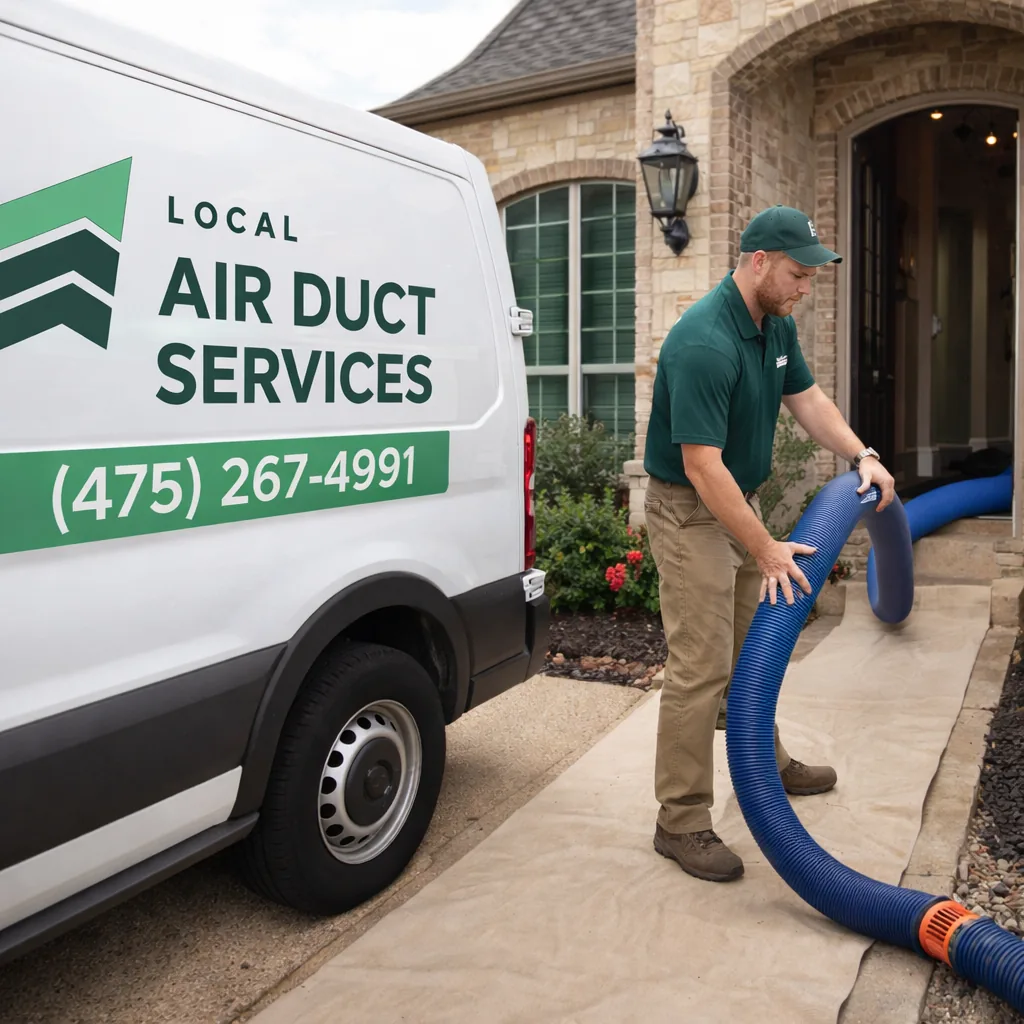
Applying the antimicrobial treatment inside an open duct section.
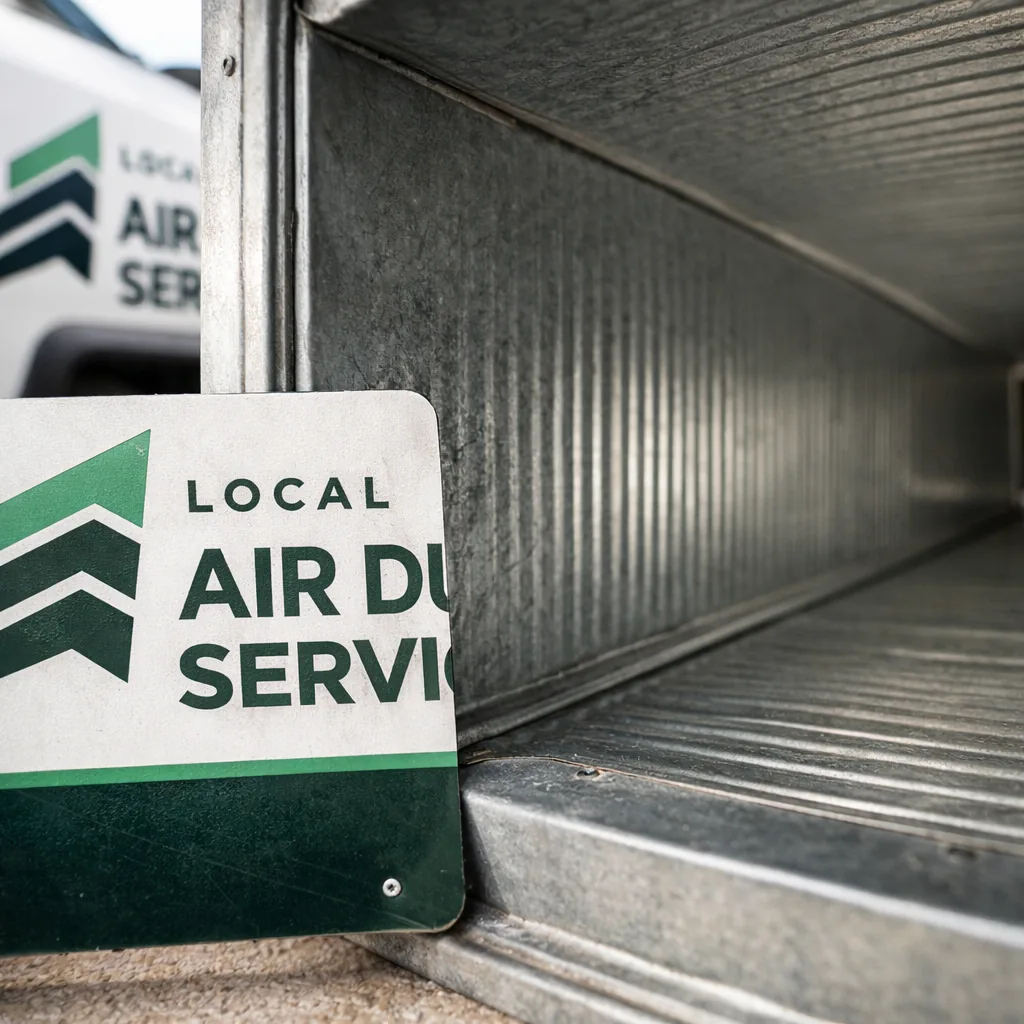
Treated duct interior surfaces once the sanitizing step is complete.
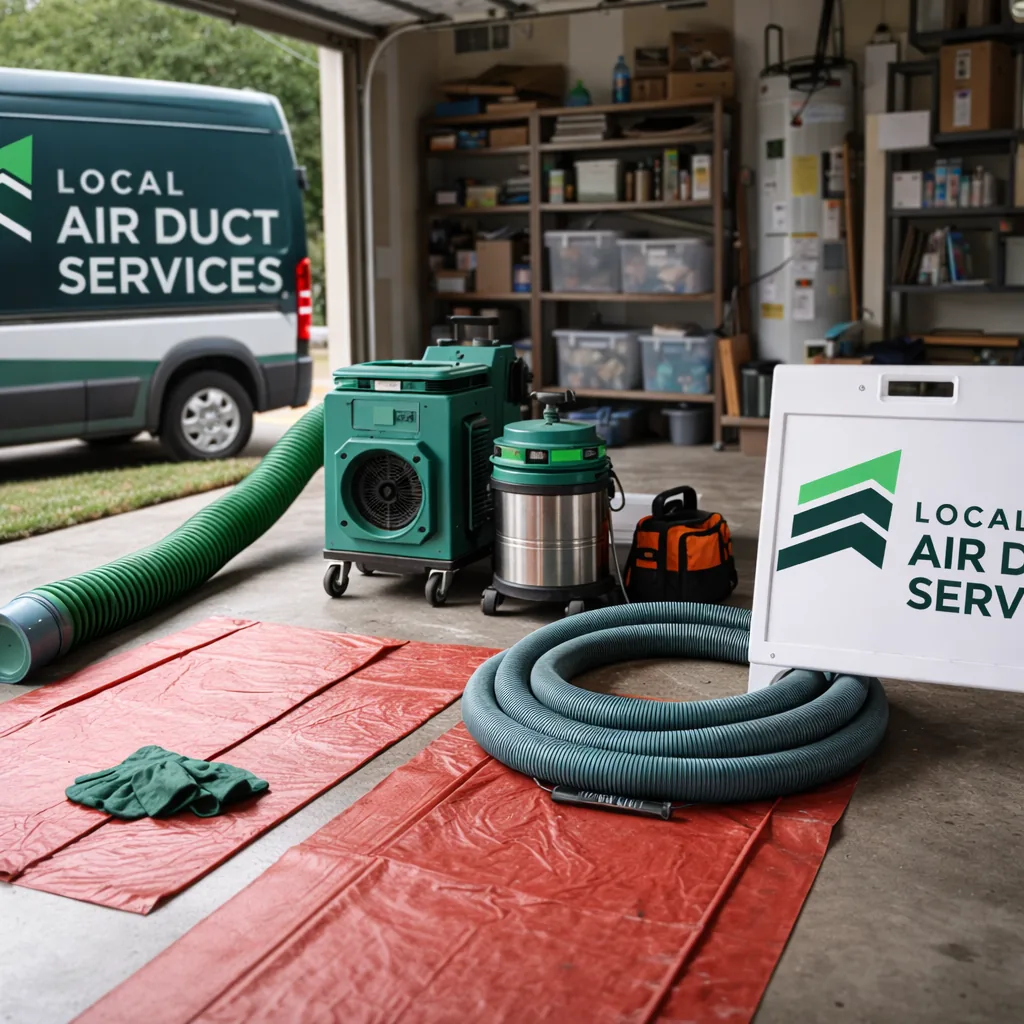
Working the air handler and evaporator coil area during a sanitizing visit.
Before You Book
Common Questions
Is duct sanitizing worth it, or is cleaning enough?
Cleaning removes dust and debris; sanitizing addresses lingering odor and microbial growth that cleaning alone does not always resolve, especially after a period of high humidity or a pet or cooking odor that has settled into the system. If odor is your main concern, sanitizing on top of a cleaning is usually the better answer than cleaning by itself.
What products are used for duct sanitizing?
We use EPA-registered antimicrobial treatments labeled for use in HVAC ductwork, applied according to the product's label instructions for the space involved.
How much does duct sanitizing cost?
Cost depends on the size of the duct system and whether the coil and air handler housing need treatment too. We give an upfront quote once we see the system, so you know the price before any work begins.
Can duct sanitizing be done without a full cleaning first?
We do not recommend it. Applying a treatment over dust and debris traps the odor source instead of removing it, so we always clean the ductwork first and sanitize after.
How often should ducts be sanitized?
There is no fixed schedule since it depends on what is driving the odor, but many homeowners in this area pair it with a periodic cleaning, particularly after a humid summer or if pets are in the home.
Will duct sanitizing get rid of musty smells for good?
It addresses the microbial growth causing the smell at the time of service, but ongoing humidity control and regular filter changes matter for keeping it from coming back, especially given how much North Texas AC systems run through the summer.
Southlake & Northeast Tarrant
Dealing with a Persistent Duct Odor?
Tell us what the smell is and when you notice it most, and we'll explain whether sanitizing, cleaning, or both will actually fix it.
- NADCA-Trained Technicians
- 10+ Years Local
- Satisfaction Guarantee
Serving Southlake
Local Air Duct Services provides fast, same-day garage door repair, installation, and service across Southlake and the surrounding Orange County communities. Licensed, bonded, and insured, with technicians who call ahead.